The allure of a story that never truly ends, a universe that keeps expanding, is powerful. For creators and fans alike, the concept of Franchise Expansion: Sequels, Prequels & Series Analysis isn't just about prolonging a narrative; it's about deepening connections, exploring new dimensions, and ultimately, building a legacy. We're not just watching stories unfold; we're witnessing entire worlds evolve, driven by a strategic blend of creativity, cultural relevance, and economic foresight.
But how do these expanded universes truly come to life? What are the mechanisms that allow a beloved tale to branch out, jump back in time, or shift focus to a character you never expected to adore? Let's pull back the curtain on the art and science of cinematic and narrative expansion, offering insights that go beyond the screen.
At a Glance: Navigating the Narrative Universe
- Prequels: Explore events before the original story, revealing origins and motivations (e.g., Rogue One).
- Sequels: Continue the story after the original, developing characters and themes (e.g., Toy Story franchise).
- Spin-offs: Focus on secondary characters or unexplored facets of the existing universe, offering new perspectives (e.g., Better Call Saul).
- Core Benefits: Deepen character ties, explore new concepts, introduce diverse viewpoints, keep franchises fresh, and strengthen fan loyalty.
- Strategic Expansion: These tools offer flexibility, allowing creators to surprise audiences, adapt narratives, and even tackle different genres within a single cohesive universe.
- The Goal: To create a dynamic, vibrant, and engaging narrative experience that resonates across time and new installments.
The Enduring Allure of Expanded Universes: Why We Keep Coming Back
Think about your favorite fictional world. Chances are, it didn't end with a single story. From sprawling sagas to meticulously crafted cinematic universes, the drive to expand narratives has gained immense cultural and economic currency, especially in the new millennium. This isn't accidental. It's fueled by a convergence of factors: intermediality (stories crossing different media), transnationalism (global appeal), and the logic of convergence (different elements coming together to create a unified experience).
These aren't just lazy attempts to cash in on a popular name; at their best, they are sophisticated forms of adaptation. They embody strategies of repetition, variation, and expansion that keep audiences engaged and invested. Whether it's revisiting a familiar setting, experiencing new adventures with beloved characters, or delving into untold histories, the power of an expanding universe lies in its ability to simultaneously comfort us with the known and thrill us with the new.
Decoding the Expansion Toolkit: Prequels, Sequels, and Spin-offs
To truly understand franchise expansion, we need to dissect its primary components. These narrative devices are more than just labels; they are strategic choices that filmmakers and storytellers employ to enrich, elaborate, and extend a story's reach.
Prequels: Rewinding Time for Deeper Meaning
Imagine a character's defining moment in a story. A prequel exists to show you the journey before that moment, providing the crucial background and explanations that color the original narrative. They don't just fill in gaps; they reveal motivations, clarify mysteries, and offer new perspectives on key character decisions that might have previously seemed opaque.
Take Rogue One: A Star Wars Story, for example. This prequel added profound depth to the original Star Wars by showing the perilous mission to acquire the Death Star plans. It didn't just tell us how the plans were obtained; it immersed us in the sacrifices, the desperation, and the gritty realism behind a pivotal plot point. Prequels like this are integral to a cinematic universe, allowing creators to explore initially hinted plot threads, giving context and weight to established events. They're a chance to truly understand why things happened the way they did, enriching the entire viewing experience.
Sequels: The Story Continues, but How?
If prequels look back, sequels confidently stride forward. They pick up where the original story left off, following familiar characters as they confront evolving challenges and relationships. The magic of a good sequel lies in its ability to build on existing storylines, expanding the emotional scope and thematic depth without betraying the original's spirit.
Consider the Toy Story franchise. Each installment isn't just a new adventure; it's a careful progression of themes like loyalty, change, and self-discovery. We see Woody, Buzz, and their friends grow, grapple with new realities, and deepen their bonds, which in turn deepens the audience's connection to their journey. Thoughtful sequels keep a story relevant and engaging, maintaining interest and allowing for creative experimentation while upholding the core spirit of the franchise. They answer the universal question: "What happens next?"
Spin-offs: A Fresh Lens on Familiar Worlds
Sometimes, the main narrative is so compelling that even its periphery characters or untold corners begin to beg for their own spotlight. This is where spin-offs shine. They shift focus from the central plot, instead exploring secondary characters or hidden aspects of the original universe. The goal is to offer new plotlines and perspectives that might not fit or be fully explored within the central story's confines.
Better Call Saul, the critically acclaimed spin-off from Breaking Bad, is a masterclass in this. It took a character who was largely comic relief in the original series and gave him a complex, tragic backstory, exploring his transformation into the crooked lawyer Saul Goodman. This diversified storytelling not only renewed the original series' appeal but also stood entirely on its own merits. Spin-offs introduce new dilemmas, conflicts, and settings, adding dimension by balancing familiarity with innovation and breathing new life into established worlds.
The Strategic Blueprint: Benefits of Thoughtful Franchise Expansion
Why do studios and creators invest so heavily in expanding their universes? The advantages are compelling, creating a virtuous cycle of engagement and loyalty.
- Deepening Character Connections: By spending more time with characters, seeing them grow, face new challenges, or even revisit their past, audiences form stronger emotional bonds. We become more invested in their fates, their decisions, and their evolution.
- Exploring New Themes or Concepts: A single story might only scratch the surface of a rich universe. Expansion allows creators to delve into different philosophical questions, societal issues, or character archetypes that the original narrative couldn't fully accommodate.
- Introducing Diverse Perspectives and Plotlines: Spin-offs, in particular, are brilliant at this. They can shine a light on previously marginalized characters or explore different subcultures within the same universe, offering a fresh lens through which to view the world.
- Keeping Franchises Fresh with New Content and Creative Risks: Sticking to the same formula can lead to stagnation. Expansion provides opportunities for creative teams to experiment with different genres, tones, or narrative structures, all while leveraging the established brand recognition. This allows for calculated risks that can revitalize a franchise.
- Strengthening Fan Loyalty Through Consistent World-Building and Continuity: A well-managed expanded universe rewards dedicated fans. Consistent world-building and attention to continuity create a sense of shared history and discovery, fostering a deeply loyal community that champions the franchise's evolution. When done right, it makes fans feel like partners in the journey.
These strategies provide filmmakers and storytellers with incredible flexibility. They can surprise audiences with unexpected turns, adapt narratives to changing times, and tackle different genres—from gritty drama to lighthearted comedy—all within a single, overarching universe. The result is a cohesive, layered, and interconnected experience that enriches both creators and fans, ensuring the narrative universe remains dynamic, vibrant, and endlessly engaging.
Beyond the Basics: Nuances of Serial Storytelling
While sequels, prequels, and spin-offs are the primary tools, the world of expanded narratives also includes broader concepts worth distinguishing.
Remakes vs. Reboots vs. Expansions
It's easy to conflate these terms, but they serve different purposes:
- Remake: A new version of an existing film or story, often with updated effects or a modern sensibility, but largely following the original plot. It's a fresh take, not an expansion of the narrative.
- Reboot: A complete restart of a franchise, discarding previous continuity to tell a new version of the story from the beginning. It's about resetting, not extending.
- Expansion (Sequel, Prequel, Spin-off): These are all about building on an existing narrative, accepting its core canon and adding to it, either forwards, backwards, or sideways.
Understanding this distinction is crucial for both creators planning their next move and audiences appreciating the complexity of a franchise's growth.
The "Cinematic Universe" Blueprint
The concept of a "cinematic universe" is perhaps the ultimate form of franchise expansion. Pioneered by Marvel and brilliantly executed by Star Wars, it involves a multitude of interconnected stories—films, TV shows, comics, games—all existing within the same shared continuity. Characters from one story might cameo in another, events in a prequel might directly impact a sequel, and spin-offs might set up future main narratives.
This blueprint offers unparalleled opportunities for long-term storytelling and audience investment, but it also comes with immense challenges in maintaining narrative cohesion and creative control. For a masterclass in universe-building and how even side characters can hold immense narrative potential, you might want to Discover all things Monsters Inc. It's a universe that showcases how even supporting roles can lead to expansive and beloved tales.
Crafting Your Franchise Roadmap: A Practical Guide
Embarking on franchise expansion isn't a whimsical decision; it's a strategic undertaking that requires foresight, creativity, and a deep understanding of your audience.
Phase 1: The Initial Spark - Is Expansion Even Worth It?
Before pen meets paper or cameras roll, the fundamental question is: Should you expand this story?
- Audience Demand: Is there a genuine hunger for more? Fan petitions, social media buzz, and strong performance data from the original are key indicators. Don't force expansion where there's no inherent interest.
- Creative Potential: Does the original story leave enough unanswered questions, intriguing characters, or unexplored lore to justify further narratives? Can new stories offer fresh perspectives without rehashing old ground?
- Market Saturation: Is the market already flooded with similar content? What makes your expansion unique? Standing out in a crowded landscape is critical.
Phase 2: Choosing Your Path - Prequel, Sequel, or Spin-off?
Once you've decided to expand, the next step is determining the how. Each format serves a distinct purpose:
- Opt for a Prequel when:
- The original story has compelling mysteries or character origins that beg for explanation.
- There's a significant historical event or conflict hinted at that deserves its own narrative.
- You want to explore the creation or rise of a villain, hero, or a key technology.
- The ending of the original is so definitive that a direct sequel feels forced.
- Lean towards a Sequel when:
- Characters have clear arcs that are incomplete or have new challenges to face.
- The world introduced has many more stories to tell post-original events.
- There are lingering questions from the original's resolution that need addressing.
- You want to evolve themes or escalate stakes from the initial narrative.
- Consider a Spin-off when:
- A secondary character is so compelling they can carry their own story, independent of the main protagonist.
- There are fascinating corners of your universe that the main narrative couldn't explore.
- You want to diversify genres or tones within the broader franchise.
- The original story is complete, but there's a desire to keep the universe alive with fresh perspectives.
Phase 3: Navigating the Pitfalls of Expansion
Not all expansions are successful. Many fall victim to common traps:
- Continuity Errors: Discrepancies between installments can alienate dedicated fans. Meticulous "loremasters" and continuity teams are vital.
- Diminishing Returns: Each successive installment can struggle to match the novelty and impact of the original. Innovation and fresh ideas are crucial.
- Fan Fatigue: Over-saturating the market with too much content, too quickly, can lead to audience burnout. Quality over quantity is paramount.
- Over-reliance on Nostalgia: While familiarity is good, relying solely on callbacks and fan service without offering a compelling new story will fall flat. Balance homage with originality.
- Unnecessary Expansion: Sometimes, a story is simply complete. Forcing an expansion can dilute the impact of the original.
Phase 4: Maintaining Cohesion and Quality
Successful expansion requires a unified vision.
- Consistent Vision: Establish a "story bible" or overarching creative brief that guides all new projects. This ensures a consistent tone, aesthetic, and characterization across the universe.
- Strong Creative Leadership: A showrunner, head writer, or creative director often acts as the custodian of the universe, ensuring all new projects align with the established canon and quality standards.
- Fan Feedback & Engagement: Listen to your audience. While you can't please everyone, understanding fan sentiment can offer valuable insights into what resonates and what falls flat. Community managers play a critical role here.
Case Studies in Expansion: Learning from the Field
Examining how others have approached expansion offers invaluable lessons.
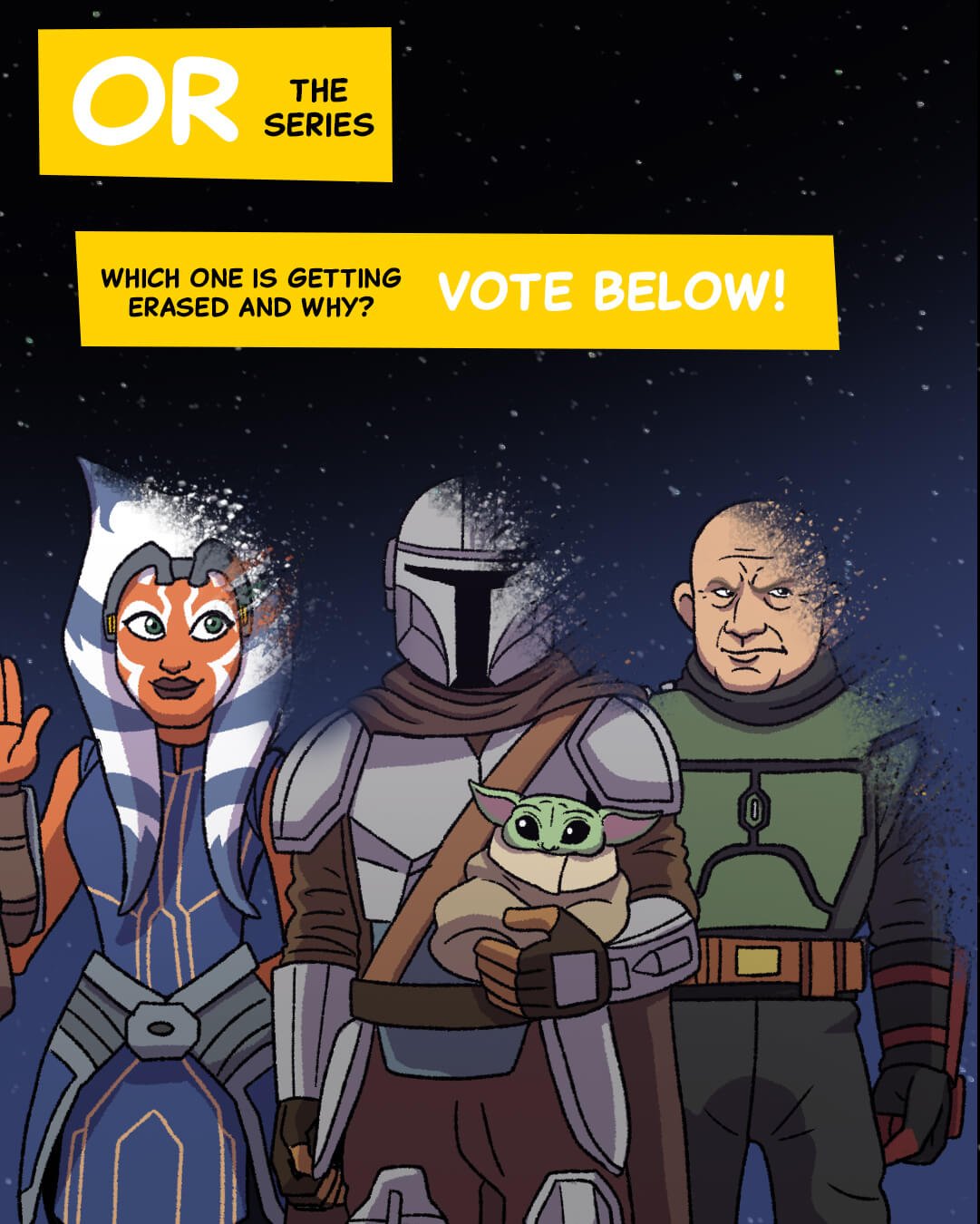
- The Star Wars Universe (Prequels & Spin-offs): Beyond Rogue One, the Disney+ series like Andor and The Mandalorian exemplify successful spin-offs. They delve into unexplored eras and characters, enriching the original narrative while forging their own distinct identities and attracting new fans. The challenge, however, is maintaining a coherent timeline and narrative quality across so many disparate projects.
- The Toy Story Franchise (Sequels): A masterclass in sequential storytelling, each film builds on the last, naturally progressing character arcs and emotional stakes. Their success lies in evolving themes (e.g., identity, purpose, belonging) rather than simply repeating adventures.
- The Fantastic Beasts Series (Prequel Challenges): While promising, this prequel series to Harry Potter highlights the difficulty of retroactively fitting new narrative elements into an established, beloved timeline. Fan expectations and established lore can be a tough tightrope to walk, leading to criticism if new revelations contradict or complicate existing canon. This underscores the need for meticulous planning in prequels.
- The Breaking Bad / Better Call Saul Universe (Spin-off Excellence): As mentioned, Better Call Saul demonstrates how a spin-off can not only succeed but also stand as a masterpiece in its own right, deepening appreciation for the original while offering a fresh, complex narrative. It showed that character depth exists far beyond the main story's spotlight.
Common Questions and Misconceptions
"Doesn't expansion just dilute the original story?"
Not necessarily. Thoughtful expansion, done with creative integrity, can enrich the original by providing deeper context, exploring character motivations, or broadening the thematic scope. Poorly executed expansion, however, can indeed dilute it. The key is quality and purpose.
"Are prequels always just fan service?"
While they often appeal to existing fans, effective prequels do more than just reference past events. They contribute meaningfully to the overarching narrative, offering new insights and making the original story even more impactful. When a prequel is only fan service, it usually fails to resonate.
"How do you keep a long-running series from getting stale?"
Innovation is key. This means introducing new characters, evolving existing ones, exploring fresh conflicts, changing settings, and even experimenting with genre within the established universe. A series must adapt and grow, not just repeat.
"Is a 'cinematic universe' always the best goal?"
Not for every franchise. While popular, creating a massive, interconnected universe is incredibly complex and resource-intensive. For some stories, a contained series of sequels or a single compelling spin-off might be a more appropriate and successful path. The "best goal" depends on the story, the audience, and the creative team's vision.
Your Next Step: Building a Legacy, Not Just a Story
The decision to expand a franchise is a profound one. It's about more than just greenlighting another project; it's about committing to a vision that respects the original while daring to innovate. Whether you're a storyteller, a studio executive, or simply a passionate fan, understanding the intricacies of sequels, prequels, and spin-offs empowers you to appreciate the craft and strategy behind every expanded narrative.
The most successful expansions aren't just additions; they are organic growths that enhance the original experience, inviting audiences into a richer, more vibrant world. So, as you look to the future of your favorite stories, remember that true franchise expansion is about building a lasting legacy, ensuring that the narratives we cherish continue to evolve, surprise, and inspire for generations to come.